The Modern Edge: How Loving Coffee Font Redefines Clean Design
Finding a typeface that balances contemporary aesthetics with professional readability is a common hurdle in the design world. You want something that feels fresh and current, yet avoids the trap of trendy styles that will look dated in a year. Enter Loving Coffee Font, a modern, classy sans serif typeface that strikes this balance with effortless precision. It isn't just another font file to add to your library; it's a versatile tool designed to inject personality and clarity into a vast range of creative projects. Whether you're building a brand from the ground up or refreshing an existing one, understanding how to leverage this typeface can significantly elevate your visual communication.
Beyond the Basics: Understanding Its Visual Character
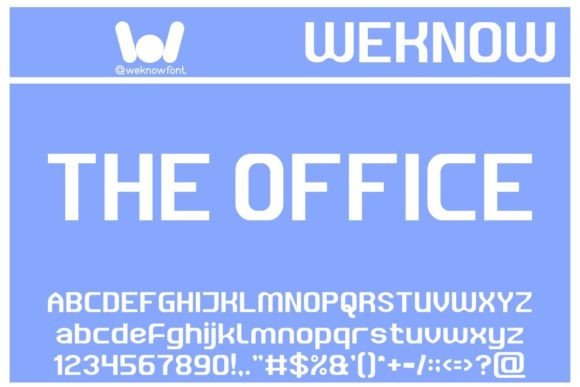
At its core, Loving Coffee is a sans serif, meaning it sheds the decorative strokes (serifs) found in typefaces like Times New Roman. This fundamental choice immediately lends it a clean, uncluttered feel. However, what sets it apart is its refined character. The letterforms are crafted with a keen eye for proportion and spacing, resulting in a typeface that feels both approachable and sophisticated. It doesn't shout for attention with extreme quirks; instead, it commands respect through its balanced geometry and smooth curves. This makes it an excellent choice for contexts where you need to convey modernity, trustworthiness, and a hint of understated elegance.
A Font for the Modern Brand Ecosystem
Consider the challenge of maintaining a cohesive brand identity across dozens of touchpoints. Your logo needs to work on a website header, a business card, a social media ad, and product packaging. A font that is too ornate or too plain can break under this pressure. Loving Coffee excels here. Its versatility is its greatest strength. As a display font, its clean lines make headlines pop with clarity and impact. Used in smaller sizes for body text or UI elements, it remains remarkably readable. This adaptability makes it a powerful brand identity asset. Imagine a boutique coffee shop using it for its logo—the name itself hints at warmth, while the font’s structure provides a professional framework. Or picture a tech startup using it across its website and marketing assets, where it communicates innovation without sacrificing user-friendly readability.
Practical Applications: From Screen to Print
The true test of a premium font is its performance in real-world projects. Loving Coffee’s design lends itself to a multitude of applications with consistent results.
- Logo & Logotype Design: Its balanced weight and spacing create logos that are memorable and scalable, looking just as sharp on a favicon as on a storefront sign.
- Packaging Design: For product labels, especially in the food, beauty, or lifestyle sectors, it offers a clean canvas that lets your product shine while communicating quality.
- Social Media Graphics: On crowded platforms like Instagram and YouTube, legibility is key. This sans serif font ensures your quotes, announcements, and captions are instantly readable, even on small mobile screens.
- Editorial & Print Layouts: In magazines, books, or posters, it can be used for subheadings and pull quotes, providing a modern contrast to a traditional serif font used for body text.
- Digital Products & Invitations: From eBook covers to wedding invitations, it adds a touch of class without feeling overly formal or rigid.
Strategic Typography: Making Informed Choices
Simply having a good font isn’t enough; knowing how to use it is what separates good design from great design. Here are some practical considerations when integrating a typeface like Loving Coffee into your workflow.
Font Pairing is an Art: No font is an island. A classic strategy is to pair a sans serif like Loving Coffee with a complementary serif font for body text. For example, using Loving Coffee for headlines and a readable serif like Lora or Merriweather for paragraphs creates a beautiful hierarchy. Alternatively, for a more modern, minimalist feel, you could pair it with a script font for accents, but use this sparingly to maintain professionalism.
Test for Your Specific Use Case: Always test the font in the context of your project. How does it look in all caps for a hero section? Is it still readable when colored white over a busy photo background? Print a sample to check the weight and spacing in a physical format. This hands-on testing prevents surprises down the line.
Explore the Included Styles: A quality typeface often comes with multiple weights (Light, Regular, Medium, Bold, etc.). Don’t overlook these. Using a bold weight for main headings and a light weight for subtitles can create visual interest and guide the viewer’s eye through your layout without needing a second font family.
Licensing Matters: Before using any commercial font in a client project or for merchandise you plan to sell, verify the license. Understanding the terms ensures you’re legally covered, which is a critical part of professional practice and protects both you and your clients.
Aligning Typography with Project Goals
Ultimately, your font choice should serve your project’s objective. Ask yourself: What feeling do I want to evoke? Who is my audience? What is the primary medium? A creative font for a music festival poster has different requirements than one for an annual financial report.
Loving Coffee’s strength lies in its ability to adapt to a professional context while maintaining a distinct, modern personality. It’s a design asset that can help achieve visual consistency, which in turn builds brand recognition. When your audience sees the same clean, confident typeface across your website, social media graphics, and print materials, they begin to associate that visual language with your brand’s values—clarity, modernity, and reliability.
In a landscape saturated with visual noise, choosing a typeface that offers both style and substance is a strategic move. It’s not about following a fad, but about selecting a tool that enhances your message and respects your audience’s attention. By focusing on these practical applications and thoughtful pairing strategies, you can harness the full potential of a well-crafted sans serif typeface to create work that is not only beautiful but also effective and enduring.