Hand Play: A Font That Brings Personality to Every Project
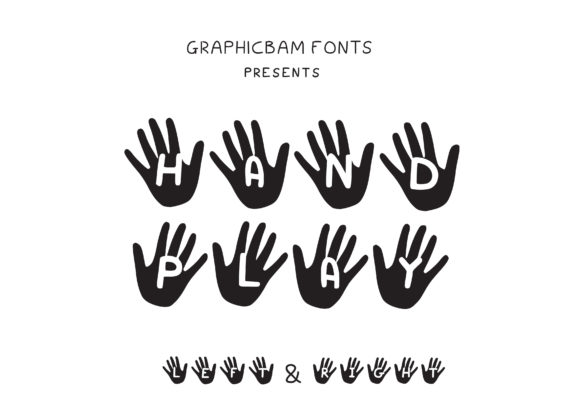
There's a certain energy that comes with hand-drawn lettering. It feels personal, approachable, and full of character. That's exactly what the Hand Play typeface delivers—a decorative font with a playful, hand-crafted aesthetic that works beautifully across a wide range of creative projects. Whether you're designing a logo for a new brand, putting together social media graphics, or crafting packaging for a small-batch product, this font brings a warmth and authenticity that more rigid typefaces simply can't replicate.
What makes Hand Play stand out in a sea of available fonts is its versatility. It doesn't box you into a single style or mood. Instead, it adapts to whatever creative vision you're chasing. The slightly irregular letterforms give it a human touch, while the overall design remains clean enough to stay legible at various sizes. That balance is harder to achieve than most people realize, and it's one of the reasons this font has become a go-to for designers, entrepreneurs, and content creators alike.
A Typeface Built for Creative Freedom
Hand Play sits comfortably in the decorative display font category, but don't let that label fool you into thinking it's limited in scope. The font carries a personality that feels both modern and timeless. Its letter shapes have a gentle bounce to them, with subtle variations in stroke weight that mimic the natural rhythm of hand lettering. This isn't a stiff, corporate typeface—it's one that invites the viewer to lean in and engage.
For anyone working on brand identity projects, that kind of visual warmth is invaluable. Think about the brands you're drawn to. Many of them use typography that feels approachable and human. A handwritten font like Hand Play can help a small business or startup communicate friendliness and creativity without saying a single word. It tells your audience that there's a real person behind the brand, not just a faceless company.
That said, it's important to match the font to the right context. Hand Play works best when you want to convey playfulness, creativity, or a casual tone. If you're designing for a law firm or a financial institution, you'd probably reach for a different typeface. But for bakeries, children's brands, lifestyle blogs, indie product lines, event invitations, or creative agencies? This font is a natural fit.
Where Hand Play Truly Shines
One of the most practical aspects of Hand Play is how well it performs across different media. Let's walk through some real-world applications where this font can make a noticeable difference.
Packaging design is one area where Hand Play really excels. If you're selling handmade candles, artisanal snacks, or craft beverages, your packaging needs to reflect the care and personality that goes into your product. A handwritten font on the label immediately signals that something special is inside. It sets expectations before the customer even opens the box.
Social media graphics are another strong use case. Platforms like Instagram and Pinterest are incredibly visual, and typography plays a huge role in stopping someone mid-scroll. Hand Play has enough personality to catch the eye without overwhelming the rest of your design. Use it for quote graphics, promotional banners, or story overlays, and you'll notice an uptick in engagement because the text itself becomes part of the visual appeal.
Logo design is where many designers first fall in love with this typeface. A logo built with Hand Play feels distinctive and memorable. It works particularly well for brands that want to stand apart from the polished, minimalist trend that dominates much of modern typography. Of course, pairing it with a clean sans serif font for body text keeps things balanced and readable.
For print materials like posters, flyers, and event invitations, Hand Play brings an element of fun and informality that's perfect for parties, workshops, markets, and community events. It's the kind of font that makes someone want to actually read the flyer instead of tossing it aside.
Pairing and Practical Considerations
No font exists in isolation. The real magic happens when you pair typefaces together thoughtfully. Hand Play works beautifully alongside a simple sans serif or a classic serif font. The contrast between the decorative, hand-lettered feel of Hand Play and the structured simplicity of something like a geometric sans serif creates visual interest without chaos.
A good rule of thumb is to let Hand Play do the heavy lifting for headlines, titles, and short bursts of text where personality matters most. Then use your secondary font for longer paragraphs, product descriptions, or body copy where readability is the priority. This approach keeps your designs visually dynamic while ensuring nothing gets lost in translation.
Readability is always worth testing before you commit. While Hand Play is designed to be legible, decorative fonts naturally perform better at larger sizes. If you're using it on a website, preview it on both desktop and mobile screens. If it's going on printed materials, print a test page. These small steps save you from headaches down the road.
It's also worth exploring the different styles and weights included with the font. Many premium fonts come with alternates, ligatures, or stylistic variations that give you even more creative flexibility. Taking the time to review what's included in your font package ensures you're getting the most out of your design assets.
Making It Work for Your Brand
Consistency is the backbone of strong brand recognition. Once you choose a font like Hand Play for your visual identity, use it consistently across all your touchpoints. That means your website headers, your email newsletters, your product packaging, and your social media templates should all carry the same typographic voice. When your audience sees that familiar lettering, they'll immediately associate it with your brand.
For small business owners and entrepreneurs who aren't trained designers, this kind of consistency can feel overwhelming. But it doesn't have to be complicated. Start by identifying two or three fonts that represent your brand's personality. Hand Play as your display font, paired with a reliable body font, gives you a complete typographic toolkit that covers nearly every situation you'll encounter.
Commercial licensing is another practical consideration worth mentioning. If you're using a font for client work, merchandise, or anything that generates revenue, make sure your license covers commercial use. Most reputable font foundries and marketplaces are transparent about licensing terms, so take a moment to review them before purchasing. It's a small detail that protects you legally and supports the designers who create these tools.
At the end of the day, choosing a font is about finding the right voice for your message. Hand Play offers a voice that's creative, approachable, and full of personality. It won't be the right fit for every project, but when it is, it has a way of making designs feel more alive and more human. And in a world saturated with polished, impersonal visuals, that human touch might be exactly what sets your work apart.