Big Game Font: A Designer's Tool for Bold Visual Impact
You've spent hours crafting the perfect message for your new product launch. The copy is sharp, the offer is compelling, and the visuals are stunning. But when you lay it all out, something feels... generic. The text, the very carrier of your idea, blends into the background. This is a common frustration for creators, entrepreneurs, and marketers. The right typography doesn't just present words; it gives them character, weight, and emotion. It can be the decisive factor between a design that gets scrolled past and one that stops someone in their tracks.
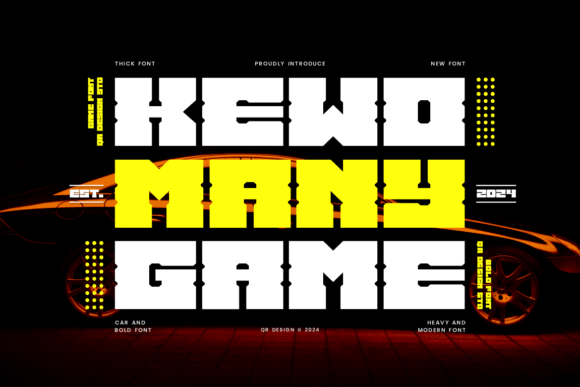
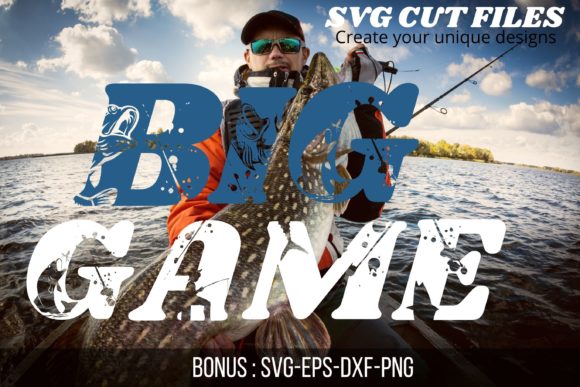
Enter a typeface like Big Game. This isn't just another font sitting in your library; it's a statement piece. At its core, it's a display font, meaning it's crafted for impact at larger sizes—think headlines, logos, and hero sections. Its visual personality is unmistakable: bold, confident, and with a touch of rugged elegance. The letterforms often feature strong, sturdy serifs and a slightly condensed structure, giving it a feel that's both classic and contemporary. It avoids the trap of being overly decorative to the point of illegibility, striking a useful balance between flair and function. This makes it a versatile premium font for projects that need to command attention without shouting.
Where a Characterful Font Truly Shines
Understanding a font's personality is the first step. The next is matching it to the right project. A typeface with the presence of Big Game is a natural fit for applications where brand identity and first impressions are paramount. Consider its role in logo design. A logo needs to be memorable and scalable. The distinct silhouette of these letters can form the backbone of a logo for an outdoor brand, a craft brewery, a men's grooming line, or an adventure blog, instantly conveying a sense of strength and reliability.
Beyond the logo, this font family can become a cornerstone of your entire brand identity. Using it consistently across your website headers, packaging, and marketing materials builds powerful visual consistency. A customer should be able to recognize your brand's style before they even read the name. For small business owners, this level of cohesion elevates your presentation from amateur to professional, building trust with your audience.
Its applications in print and digital are equally broad:
- Packaging Design: On a shelf full of competitors, a product using a bold, unique typeface for its name and key information stands out. It suggests quality and care in the product itself.
- Poster and Editorial Layouts: For event posters, magazine features, or blog post graphics, it can create a dynamic hierarchy, guiding the reader's eye to the most important information first.
- Social Media Graphics: In a fast-scrolling feed, you have milliseconds to make an impact. A strong headline in a font like this can increase audience engagement and stop the scroll. It works beautifully for quote graphics, announcement posts, and promotional banners.
- Digital Products & Merchandise: Think about e-book covers, online course titles, or even merchandise like t-shirts and mugs. A cool, useful, and unique decorative font adds tangible value and appeal to your digital and physical products.
Making It Work: Practical Typography Advice
Having a powerful tool is one thing; using it effectively is another. Here’s how to integrate a font like Big Game into your workflow without common pitfalls.
1. Test Your Pairings Relentlessly. A display font is rarely used for body copy. Its strength is in headlines. The key is to pair it with a highly readable sans serif font or a simple serif font for paragraphs and smaller text. For example, you might pair the bold, assertive letters of Big Game with a clean, modern sans serif like Open Sans or Lato for descriptions. This creates a pleasing contrast and ensures your message is both impactful and readable. Always test pairings in context—see how they look on a mockup of your website or a draft of your brochure.
2. Mind the Readability at Scale. While it's designed for impact, always check legibility at the specific size you'll use it. A font that looks magnificent as a 72-point headline might become a bit muddy at 24 points for a sub-heading. Zoom in and out. Print a test page. Readability considerations are non-negotiable, even for the most stylistic fonts.
3. Explore the Full Family. A quality commercial font often comes with more than one style. Check if the Big Game typeface includes variations like bold, italic, or outline versions. These additional styles give you more creative flexibility within a single, cohesive typographic system, allowing you to maintain a unified look while creating visual interest and hierarchy.
4. Understand the License. This is crucial for any creative font you use for commercial work. Always review the licensing terms. A standard desktop license might cover use on your computer for print and digital designs, but if you're creating a logo for a client or embedding the font in a mobile app or a product for sale (like a Canva template or a printable PDF), you may need an extended or commercial license. Doing this due diligence protects you and your business legally.
A Final Thought on Creative Assets
Ultimately, a typeface like Big Game is one of many design assets in your toolkit. Its value lies not just in its aesthetic, but in its ability to help you solve a specific communication problem: how to be seen and remembered. Whether you're a content creator developing a personal brand, a marketer launching a new campaign, or a hobbyist crafting beautiful invitations, choosing a font with a distinct point of view is a strategic decision. It’s about finding the right voice for your visual language—one that speaks directly to your audience and leaves a lasting impression. Add it to your next project, not as a default, but as a deliberate choice, and observe how it transforms the overall feel of your work.