Palmier: The Loopy Font That Brings Bold Energy to Modern Design
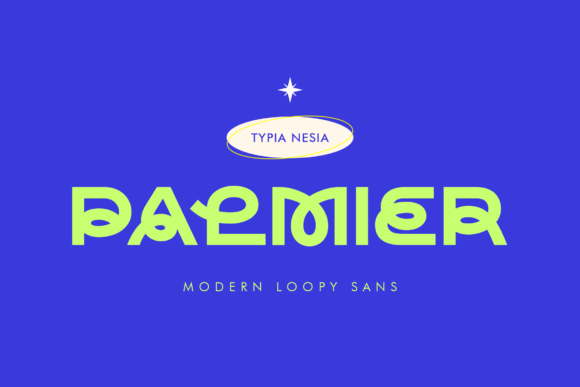
There’s a certain kind of visual confidence that comes from a font with personality. Not the kind that screams for attention, but the kind that walks into a room and owns it. That’s the energy you get from Palmier—a modern, loopy typeface that manages to be both playful and polished at the same time. If you’ve been searching for a creative font that feels fresh without being trendy, and bold without being overwhelming, this might just be the design asset you didn’t know you needed.
Why This Typeface Feels So Right for Contemporary Projects
Palmier isn’t just another display font sitting in a crowded marketplace. It’s designed with a clear sense of movement and rhythm. The loops are intentional, giving each letter a sense of flow that catches the eye without sacrificing readability. This isn’t a script font that’s hard to decipher at small sizes, nor is it a stiff sans serif that blends into the background. It sits in a sweet spot—modern typography with enough character to make logos, posters, and branding materials feel alive.
Think about the last time you saw a book cover or a music poster that made you stop scrolling. Chances are, the typography played a huge role. Palmier works in that same space—it’s the kind of typeface that makes editorial design feel less like a chore and more like an opportunity. For anyone working in the gaming industry, sport design, or creative advertising, it offers a visual language that’s energetic but still professional.
Practical Applications Where Palmier Really Shines
Let’s get specific. Where does a font like this actually work in real-world projects? Here’s where I’ve seen it make a difference:
- Logo and Brand Identity: If you’re building a brand that needs to feel approachable yet distinctive, Palmier’s loops add a touch of warmth without looking childish. It’s great for boutique brands, lifestyle products, or any business that wants to stand out from corporate stiffness.
- Packaging Design: Imagine this font on a coffee bag, a skincare label, or a snack package. The bold weight commands attention on a shelf, while the loopy details add a handcrafted feel that suggests quality.
- Social Media Graphics: In a feed full of generic sans serifs, a typeface with personality can stop the scroll. Use it for quotes, announcements, or promotional posts where you want engagement without looking like every other template.
- Website Headers and Blog Titles: While it’s not meant for body text, Palmier works beautifully for hero sections, landing page headlines, and blog post titles that need to make an immediate impact.
- Event Invitations and Posters: From music festivals to product launches, the font’s modern poster quote style brings energy to any announcement. It’s especially effective for special events where you want to convey excitement and creativity.
- Merchandise and Apparel: T-shirts, tote bags, hats—these are all surfaces where a bold, loopy font can turn a simple item into a statement piece. The readability holds up well at larger scales, which is crucial for print.
Making Typography Work Harder for Your Brand
Choosing a font isn’t just about aesthetics—it’s about communication. The right typeface can improve visual consistency across your materials, making your brand feel more cohesive and trustworthy. Palmier, for instance, can serve as a signature font for headlines while pairing with a cleaner sans serif for body copy. This kind of font pairing strategy is something professional designers use to create hierarchy and guide the reader’s eye.
But here’s the practical advice: always test your font choices in context. A font that looks great on a mood board might not work as well on a mobile screen or a printed brochure. Check the included font styles—does it come with bold, italic, or alternate characters? These details matter when you’re building a full brand system. And if you’re using it for commercial projects, double-check the licensing. A premium font with clear commercial rights saves headaches later.
Beyond Aesthetics: Readability and Audience Connection
We’ve all seen designs where a cool font becomes unreadable. That’s a missed opportunity. Palmier’s design balances flair with function—the letterforms are distinct enough to be legible even at smaller sizes, especially in display contexts. This is key for things like website buttons, app interfaces, or print materials where clarity can’t be sacrificed for style.
Think about your audience. If you’re targeting a younger, creative demographic, a font with personality can build immediate connection. For a more professional audience, it might work as an accent font paired with something more neutral. The goal is to match your typography to your project goals—whether that’s building brand recognition, improving engagement, or simply making your designs feel more polished.
Final Thoughts on Choosing Fonts with Intention
At the end of the day, the fonts you choose say something about your project before a single word is read. They set tone, create mood, and build visual identity. Palmier isn’t a one-size-fits-all solution—no font is. But for projects that need a blend of modern energy and approachable boldness, it’s worth exploring.
Take the time to experiment. Pair it with different styles, test it across applications, and see how it feels in your specific context. Good design is about making intentional choices, and having a versatile, well-crafted typeface in your toolkit makes those choices a little easier. Whether you’re a designer, a small business owner, or a creative entrepreneur, the right font can be the detail that ties everything together.