Healer: A Bold, Playful Typeface for Modern Brands
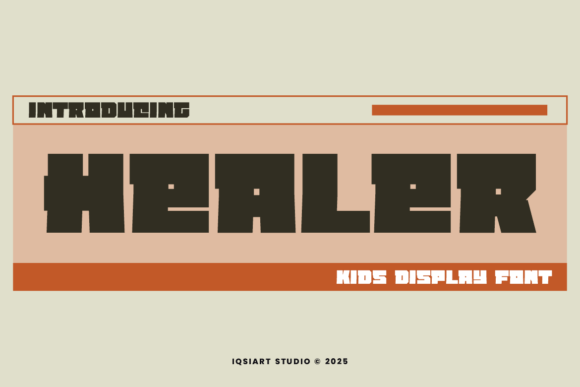
There’s a certain kind of visual energy that immediately makes you smile. It’s the feeling you get from a colorful cartoon, a vintage toy package, or a children’s book cover that just radiates fun. For designers and creators trying to capture that same joyful, approachable vibe, the search for the right typography can be frustrating. Many fonts feel too serious, too generic, or lack the distinct personality needed to stand out. Enter Healer, a display font that masterfully blends retro charm with a bold, geometric playfulness, offering a versatile tool for projects that need a dose of friendly confidence.
More Than Just a Kids' Font: The Visual Character of Healer
At first glance, Healer’s chunky, rounded letterforms evoke a sense of nostalgia, reminiscent of mid-century animation and classic arcade game titles. But to label it solely as a kids’ display font is to overlook its broader potential. The font’s strength lies in its balanced geometry. Each character feels substantial and carefully constructed, ensuring clarity even at larger scales. This isn’t a whimsical script that sacrifices legibility for style; it’s a purposeful typeface designed to make a statement. The retro touch is subtle enough to feel contemporary, avoiding a dated look while still carrying that inherent warmth and approachability. It’s a creative font that communicates friendliness without being childish, making it a surprisingly adaptable asset for a wide range of commercial and creative projects.
Practical Applications: From Brand Identity to Digital Marketing
The true test of any design asset is how it performs in the real world. Healer’s personality makes it particularly effective in specific contexts where engagement and memorability are key.
- Branding and Logo Design: For startups, family-oriented businesses, educational apps, or indie game studios, Healer can form the core of a brand identity. It instantly communicates a welcoming and energetic ethos. When used in a logo, it helps a brand feel accessible and trustworthy, cutting through the visual noise of more austere competitors.
- Packaging and Merchandise: Imagine a line of organic snacks for kids, a craft soda brand, or a new line of toys. Healer on the packaging instantly signals fun and quality. Its bold shapes ensure shelf appeal, and its friendly vibe can make a product feel like a friend rather than just a commodity. This extends to merchandise like T-shirts, tote bags, and stickers, where the font itself becomes a design feature.
- Digital Presence and Content: On social media, grabbing attention is half the battle. Healer is perfect for Instagram story headers, YouTube thumbnail text, or Pinterest graphics that need to pop. For bloggers and content creators in niches like parenting, DIY crafts, or gaming, using Healer for section headings or featured quotes can break up text and inject personality into layouts. It’s also an excellent choice for the hero text on a website homepage, setting a tone of creativity and approachability from the first click.
- Print and Editorial Design: Don’t limit this typeface to digital. Think about poster designs for community events, children’s party invitations, or the chapter titles in a young adult novel. In editorial design, it can be used sparingly for pull quotes or section breaks in magazines and newsletters aimed at a creative audience, adding a visual accent that guides the reader’s eye.
Integrating Healer: Smart Typography in Practice
Adopting a new display font like Healer requires a bit of strategy to ensure it enhances rather than overwhelms your project. The goal is to leverage its strengths while maintaining a professional and readable design.
Font Pairing is Everything. A bold display font needs a counterbalance. Healer pairs beautifully with clean, simple sans-serif fonts for body text. Think of fonts like Open Sans, Lato, or Poppins. The contrast allows Healer’s personality to shine in headlines without competing with the readability of longer paragraphs. For a more eclectic, editorial feel, it can even work alongside a simple serif like Georgia for a touch of classic elegance. Always test your pairings on the actual platform—a heading that looks great in a design file might feel too heavy when viewed on a mobile screen.
Context is Key. While versatile, Healer isn’t the right choice for every single project. A law firm’s annual report or a luxury watch brand’s catalog likely requires a different typographic voice. Assess your project’s goals. Is the primary aim to be perceived as innovative, friendly, playful, and creative? If yes, Healer is a strong contender. If the goal is traditional authority or minimalist sophistication, you might explore other premium fonts in your toolkit.
Explore the Full Family. A quality commercial font often comes with multiple styles—regular, bold, italic, maybe even outline or shadow versions. Before you start designing, review all the included styles. You might find that using Healer Bold for a main logo and Healer Regular for supporting text creates a cohesive hierarchy. Understanding your full set of design assets prevents you from missing opportunities for nuanced typography.
Readability and Licensing. Always check the font’s legibility at the size you intend to use it, especially for smaller text or complex backgrounds. Furthermore, if you’re using Healer for a client project or commercial merchandise, confirm the licensing terms. Most premium fonts come with clear commercial licenses, but it’s your responsibility to ensure the usage rights cover your specific application, whether it’s for a printed product, a digital app, or a website.
Building a Cohesive Visual Story
Ultimately, typography is a silent ambassador for your brand or project. Choosing a typeface like Healer is a decision to infuse your visual communication with energy and approachability. It’s a tool for improving brand recognition, as its unique style becomes associated with your identity over time. When used thoughtfully, it elevates the professional presentation of your work, showing that you’ve considered every detail of the audience’s experience. It turns mundane text into engaging content, whether on a poster, a social media feed, or product packaging. In a landscape crowded with generic visuals, a font with this much character doesn’t just display words—it helps tell a story. For the designer, marketer, or creative entrepreneur, that story is one of innovation, friendliness, and a touch of nostalgic joy that resonates deeply with a modern audience.