Nocturn: Crafting Cinematic Darkness with Gothic Typography
There's a particular kind of visual language that makes your skin crawl before you even read the words. Think about the opening credits of a horror film, the cover of a psychological thriller, or the logo for a metal band that feels genuinely menacing. That unsettling feeling doesn't happen by accident. It's built letter by letter, and it requires a typeface that understands darkness on a fundamental level. That's exactly the space Nocturn occupies, and it does so with an intensity that's hard to ignore.
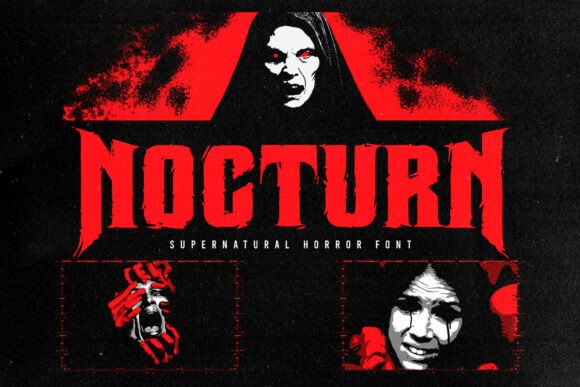
What makes this typeface stand out isn't just that it looks "scary." Plenty of fonts attempt horror aesthetics and fall flat, coming across as cartoonish or trying too hard. Nocturn takes a different approach. Every character feels carved rather than drawn, with sharp gothic structures, distressed edges, and aggressive cuts that give each letterform real weight and presence. The result is something that channels the atmosphere of slasher films, haunted folklore, and occult symbolism without feeling gimmicky.
Where This Typeface Truly Shines
Understanding where a font like this fits into real projects matters more than admiring it in isolation. If you're designing a movie poster for an indie horror film, Nocturn gives you that cinematic authority right out of the gate. The bold uppercase presence dominates headlines in a way that demands attention, which is exactly what a poster needs to do from across a crowded theater lobby.
But the applications go well beyond film work. Consider these practical scenarios:
- Book covers for thriller, horror, or dark fantasy genres where the typography needs to set the mood before a reader even picks up the book
- Game titles and streaming thumbnails where visual competition is fierce and you need something that cuts through noise immediately
- Halloween campaigns for seasonal marketing that needs to feel authentic rather than like a costume shop catalog
- Metal band artwork and merchandise where the typography becomes part of the band's visual identity
- Dark branding projects for businesses that operate in alternative or niche markets, from gothic jewelry lines to haunted attraction companies
For small business owners running seasonal promotions, a typeface like this can transform a basic social media graphic into something that actually stops someone mid-scroll. That's real engagement value, not just aesthetic preference.
Working with the Full Character Set
One thing that separates a usable commercial font from a limited novelty typeface is the depth of its character set. Nocturn includes lowercase letters, numbers, punctuation, and stylistic alternates, which means you're not stuck with a one-dimensional tool. The lowercase gives you flexibility for body text or subtitle work, while the alternates let you customize letterforms so your designs don't look identical to everyone else who purchased the same font.
Multilingual support is another practical consideration that often gets overlooked until it's too late. If you're working on a project that needs to reach audiences in different languages, or if you're a designer serving international clients, having built-in multilingual characters saves you from awkward workarounds later.
When you sit down to use Nocturn, spend some time exploring the stylistic alternates before committing to your final design. Swapping out a single letter can shift the entire personality of a headline. That kind of flexibility is what turns a good typeface into a genuinely useful design asset.
Pairing Nocturn with Other Typography
Here's where many designers either nail it or completely miss the mark. A display font this aggressive needs a counterbalance. Pairing Nocturn with another bold or decorative typeface creates visual chaos that's exhausting to look at. Instead, reach for something clean and understated for supporting text.
A simple sans serif font works beautifully for body copy, subheadings, or any secondary information that needs to be readable at smaller sizes. If your project leans editorial, a classic serif font can create an interesting tension between old-world elegance and modern horror aesthetics. The key is contrast in both weight and mood. Let Nocturn own the headlines and the emotional punch while a quieter typeface handles the legible details.
Test your pairings at actual sizes before finalizing anything. A font that looks perfect at 72 points on your screen might become completely illegible at 14 points in a printed booklet. Readability isn't negotiable, even when you're working with a typeface designed for impact rather than paragraphs.
Licensing and Commercial Use
Before incorporating any premium font into a client project or commercial product, verify the licensing terms. Most quality typefaces come with clear commercial licensing, but the specifics vary. Some licenses cover unlimited projects, others charge per project or per user. If you're a freelancer juggling multiple clients, or a small business owner producing merchandise for sale, understanding these terms upfront prevents legal headaches down the road.
Nocturn is built as a commercial font, which means it's designed with professional use in mind. That's an important distinction from free fonts that might look appealing but come with hidden restrictions or questionable origins. Using properly licensed typography protects your work and your clients' investments.
Making the Right Choice for Your Project
Not every project needs a typeface this intense. That's worth stating plainly. If you're designing a wellness brand's website or a children's product label, Nocturn is obviously the wrong tool. Typography should always serve the project's goals first, and matching the font's personality to the brand's personality is non-negotiable.
But when your project genuinely demands darkness with authority, when the brief calls for something that feels cinematic, sinister, and unforgettable, having a typeface specifically engineered for that purpose makes your job dramatically easier. Instead of forcing a generic font into a role it was never designed for, you start with a tool that already speaks the right visual language.
The best creative work happens when every element feels intentional. Typography is often the first thing people notice and the last thing they forget. Choose it with the same care you'd give to color palette, imagery, and messaging. When the mood is right and the execution is sharp, the right typeface doesn't just support your design, it becomes inseparable from it.