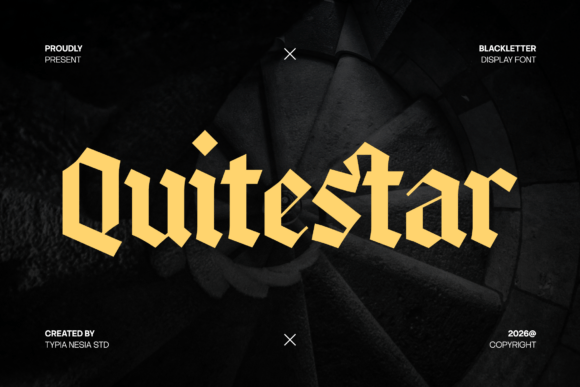
Quitestar: Bold Gothic Blackletter for Fearless Branding
There’s a moment in every creative project where the typography either whispers or shouts. For those times when you need to make a statement that echoes in the memory, a font like Quitestar steps onto the stage. This isn't just another typeface; it's a modern Gothic blackletter with a heartbeat rooted in medieval manuscripts and a pulse tuned to contemporary design. It carries the weight of history in its sharp, dramatic strokes but wears it with a bold, unapologetic edge that feels fresh and powerful. If your project’s personality is about strength, heritage, or a touch of dramatic flair, understanding how to wield a font like Quitestar can transform your work from ordinary to unforgettable.
Understanding the Visual Power of a Modern Blackletter
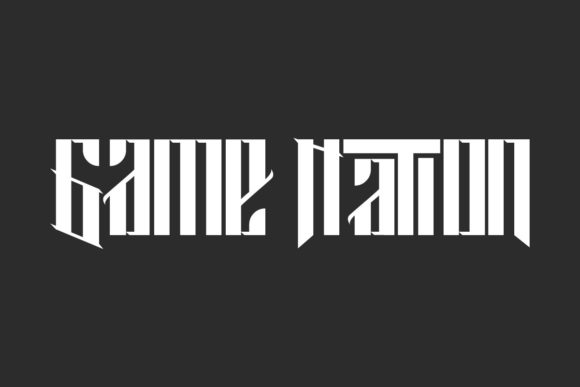
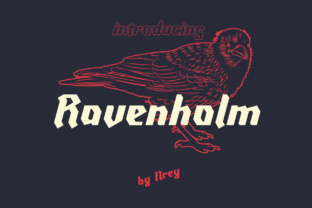
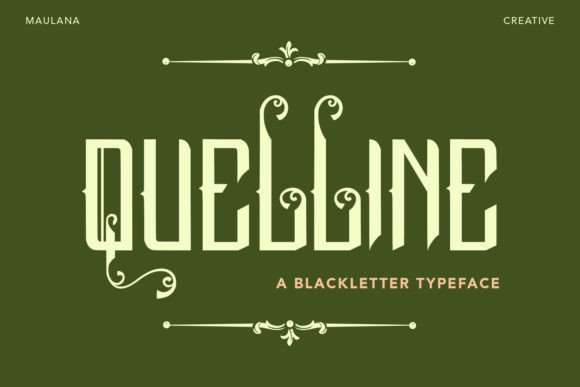
At its core, Quitestar is a display font, meaning it’s crafted for impact at larger sizes, like headlines, logos, and titles. Its DNA is classic blackletter, characterized by the strong verticals, broken curves, and intricate letterforms that once filled illuminated manuscripts. However, Quitestar modernizes this. The strokes are cleaner, the spacing is more deliberate for digital use, and the overall feel is less about historical replication and more about creating a potent visual symbol. Think of it as the difference between a historical costume and a high-fashion interpretation of that era. It respects the past but speaks confidently in the present.
This blend of old and new makes it incredibly versatile for specific creative needs. The sharp angles and dense texture convey a sense of authority, tradition, and intensity. It’s the kind of typography that suggests something is handmade, time-honored, or carries a significant story. This makes it a premium font choice for projects where you want to evoke emotion and establish a strong, memorable presence right from the first glance.
Where Quitestar Truly Shines: Practical Applications
Theory is one thing, but practical use is everything. Let’s break down where a typeface like Quitestar can deliver real value. Its strength lies in projects that benefit from a touch of the dramatic, the historic, or the unapologetically bold.
- Logo Design & Brand Identity: This is Quitestar’s home turf. For a band, a craft brewery, a tattoo parlor, a heavy metal festival, or a niche apparel brand, it can form the cornerstone of a logo that is instantly recognizable. It helps build brand recognition by being visually distinct and rich with personality. Paired with a simple sans serif for body text, it creates a powerful and balanced brand identity system.
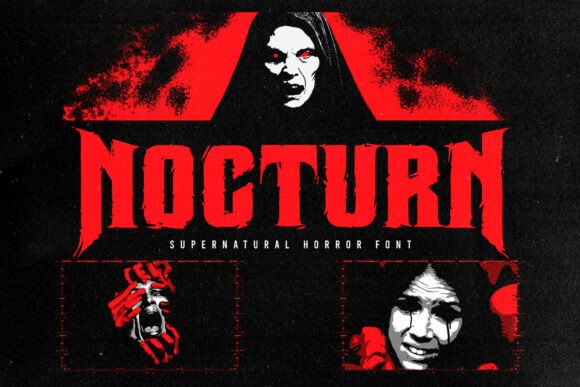
- Editorial & Poster Design: Imagine a magazine cover for a music publication, a poster for a horror film, or the title page of a fantasy novel. Quitestar commands the space, setting the tone instantly. It’s a go-to for any editorial design where the headline needs to do more than just introduce—it needs to captivate.
- Packaging & Merchandise: On a black coffee bag, a bottle of hot sauce, or a limited-edition vinyl sleeve, this font communicates product character before a word is read. It tells the customer this product has depth, flavor, and a story. For merchandise like t-shirts, hats, or posters, it creates wearable art that fans are proud to own.
- Digital Presence & Social Media: While you wouldn’t use it for a blog’s body text, Quitestar is perfect for website headers, section titles, and social media graphics. A YouTube channel banner, an Instagram story title for a podcast, or the header image on a website can use this font to establish a cohesive and engaging visual theme that stops the scroll.
- Special Event & Marketing Assets: From concert flyers and esports tournament branding to Halloween party invitations or a themed restaurant menu, Quitestar helps create an immersive experience. It sets the mood for the entire event or campaign, making the marketing materials feel like part of the attraction itself.
Matching Typography to Your Project’s Soul
Choosing a font is a strategic decision, not just an aesthetic one. The right typeface aligns with your project’s goals and speaks directly to your target audience. Ask yourself: what is the core emotion or message? Quitestar is ideal when the answer involves strength, tradition, craftsmanship, rebellion, or a gothic aesthetic. It’s less suited for a light-hearted children’s brand or a minimalist tech startup, and that’s okay. A great designer knows that a powerful, niche font used in the right context is far more effective than a generic one used everywhere.
This is where font pairing becomes crucial. A common and effective strategy is to contrast Quitestar with a clean, geometric sans serif font. The blackletter provides the headline drama, while the sans serif ensures readability for longer paragraphs, descriptions, or captions. This contrast creates visual hierarchy, guiding the viewer’s eye and making your layout more professional and easier to digest. Avoid pairing it with another highly decorative or script font, as this can create visual chaos and undermine the clarity of your message.
Making It Work: Practical Tips for Implementation
Before you commit, always test your font choices. Download the font file and experiment with it in your design software. Check how Quitestar looks at the size you intend to use it. Does it remain legible? Does the spacing feel right? Examine the full character set—does it include the numerals, punctuation, and any special characters you might need for your project?
Readability is paramount. While Quitestar is designed for display, ensure the specific letters in your chosen word or title are clear. The intricate nature of blackletter styles means some letters, like lowercase 'r' or 's', can sometimes be challenging. A quick test with your intended text will confirm it works. For extended reading, always reserve it for headlines and pull quotes.
Finally, consider the licensing. Quitestar is a commercial font, which means it comes with a license that dictates how you can use it. For a personal blog, you might need a standard license. If you’re creating a logo for a client, merchandise for sale, or assets for a large company, you will likely need an extended or commercial license. Understanding this upfront protects you legally and ensures your project can proceed without issue. It’s a critical part of the professional design process.
Embracing a Bold Aesthetic with Confidence
In a world saturated with safe, minimalist typefaces, choosing something as distinctive as Quitestar is a conscious decision to stand out. It’s for the designer, entrepreneur, or creator who isn’t afraid to let their project’s personality roar. It’s a tool for building not just a design, but an atmosphere—a connection to a lineage of craftsmanship and a declaration of modern confidence. Used thoughtfully, it doesn’t just decorate a page; it defines an experience. So, when your next project calls for a voice that is both classic and fearlessly contemporary, consider the dramatic, sharp-edged character of Quitestar. Let it help you make something that isn’t just seen, but felt and remembered.