Fantasy Eternal: Crafting Worlds with a Single Typeface
There’s a specific moment when a design stops feeling like a collection of elements and starts telling a story. It’s that instant when a viewer looks at a book cover, a game title screen, or a movie poster and feels an immediate pull into another reality. That emotional hook is rarely achieved by imagery alone; it is almost always anchored by typography. If you are looking to bridge the gap between a standard layout and a narrative experience, you need a typeface that carries weight, history, and imagination in its very curves. This is where the concept of "Fantasy Eternal" enters the conversation—not just as a set of characters, but as a gateway to visual storytelling.
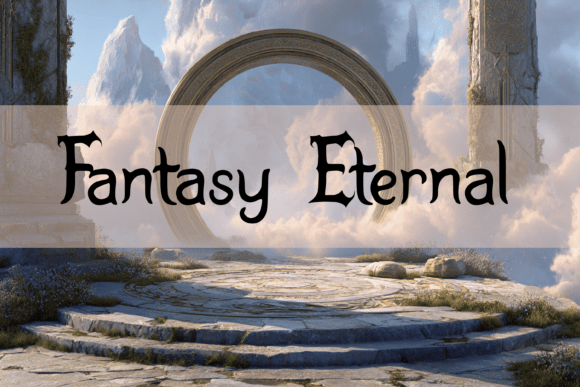
Fantasy Eternal is a font designed specifically to evoke the timeless magic of mystical realms. It isn't just about looking "old" or "fancy"; it is about capturing the elegance of epic tales. The typeface features a distinct blend of whimsical flair and structured letterforms, making it a powerful tool for designers who need to convey adventure without sacrificing professionalism. Whether you are a small business owner launching a niche product or a graphic designer working on a high-stakes campaign, understanding how to leverage a display font like this can drastically change the outcome of your project.
The Anatomy of Imagination: What Makes This Font Tick?
At first glance, Fantasy Eternal presents a detailed aesthetic that commands attention. It is a premium font that balances ornamentation with legibility—a critical distinction. Many fantasy-style fonts fall into the trap of being overly decorative, rendering them unreadable in body text or even in subheadings. However, this typeface is crafted with versatility in mind. It includes a full set of uppercase and lowercase characters, along with numerals and punctuation, allowing for complete sentences rather than just a few isolated words.
The visual appeal lies in its ability to mimic the strokes of a calligrapher’s pen meeting ancient parchment. The serifs are pronounced but not jagged, offering a smooth transition from thick to thin strokes. This creates a rhythm in the text that feels organic. For a logo design, this means you can create a monogram or wordmark that feels established and authoritative. It serves as a creative font that adds texture to your visual identity without requiring complex illustration skills to support it.
Strategic Branding and Niche Markets
Typography is the voice of your brand. When choosing a typeface, you are essentially deciding how your business speaks to its audience. Fantasy Eternal is particularly effective for specific branding opportunities where narrative is key. Consider the following scenarios where this font shines:
- Publishing and Editorial Design: For book covers, chapter headings, or drop caps, this font sets the mood instantly. It signals to the reader that they are about to enter a world of fiction, history, or mythology.
- Gaming and Entertainment: From indie tabletop RPGs to video game interfaces, the typeface provides the visual shorthand for "epic adventure." It works well for title screens, menu headers, and promotional posters.
- Themed Merchandise: If you are selling apparel, mugs, or posters with slogans related to magic or adventure, this font makes the text part of the art. It turns a simple phrase like "Believe in Magic" into a visual statement.
- Event Planning: Invitations for weddings, galas, or themed parties often require a touch of elegance. This font bridges the gap between formal invitation typography and creative themes, offering a sophisticated yet whimsical vibe.
For small business owners, using a font like Fantasy Eternal helps in establishing a distinct brand identity. In a crowded market, generic sans-serif fonts can make a brand look like everyone else. By using a specialized display font, you create a visual signature that is harder to replicate and easier to remember.
Practical Application: From Screen to Print
One of the biggest challenges in modern typography is the transition between digital and physical mediums. A font that looks stunning on a high-resolution monitor might turn into a muddy blob when printed on a textured tote bag. Fantasy Eternal is designed with high-fidelity vectors, ensuring that the details remain crisp whether you are working on web design, social media graphics, or print materials.
When applying this font to packaging design, consider the texture of your labels. The intricate details of the typeface pair beautifully with matte finishes, embossed paper, or materials that mimic parchment. For digital products, such as e-book covers or course branding, the font renders well at various sizes, though it truly excels as a headline font. It is a versatile addition to your library of design assets, suitable for both large-scale posters and smaller desktop applications.
Mastering Font Pairing
No font is an island. While Fantasy Eternal is a showstopper, using it for every line of text on a webpage would be overwhelming and likely hinder readability. The secret to using a display font effectively lies in pairing it with a neutral counterpart.
Because Fantasy Eternal has a strong personality, it demands a quiet partner. A clean sans serif font is usually the best choice for body text. Look for a sans-serif with a geometric or neutral structure—something that sits back and lets the headers do the talking. Avoid pairing it with a script font or another heavy serif font, as this will create visual chaos. The goal is contrast: the decorative nature of the header against the clean functionality of the body copy.
Technical Considerations for Professional Use
Before integrating any new typeface into your workflow, a practical review is necessary. First, check the commercial licensing. If you are creating merchandise for sale or client work, ensure your license covers these uses. Most premium fonts come with clear terms, but it is a box you must tick to avoid legal headaches down the road.
Next, conduct a readability test. Type out the specific words you intend to use. Typography often looks different with different letters; a "W" might be very wide while an "I" is thin. Check the kerning (space between letters) to ensure your specific message looks balanced. Finally, test the font in both light and dark modes if it is for a website. The intricate details of Fantasy Eternal might require slight adjustments in color or opacity to ensure legibility against varying backgrounds.
Elevating the User Experience
Ultimately, the goal of any design asset is to facilitate communication. While "Fantasy Eternal" offers a distinct aesthetic, its real value lies in how it connects with the viewer. It signals that the creator cares about the atmosphere and the details. For a content creator or marketer, this attention to detail translates into trust. When a user sees a cohesive visual identity—where the typography matches the imagery and the tone—they are more likely to engage with the content.
Think of typography as the stage setting for your words. You can have the best script in the world, but if the stage is wrong, the performance falls flat. By choosing a typeface that aligns with the narrative of your project, you remove the friction between the viewer and your message. Whether you are crafting a fantasy novel cover, branding a medieval-themed cafe, or designing a header for a blog post about mythology, the right font does half the heavy lifting for you. It transports the audience before they have even read a single sentence.