Ghostfity: Crafting a Hauntingly Memorable Visual Identity
There's a moment in every design project where the typeface either disappears into the background or steps forward to set the entire mood. For projects that demand a sense of unease, mystery, or outright terror, a standard sans serif won't cut it. You need something with presence, something that feels like it's clawing its way off the page. That's where a specialized display typeface like Ghostfity enters the conversation, offering a distinct aesthetic that can transform a mundane layout into something unforgettable.
Understanding the Font's Eerie Character
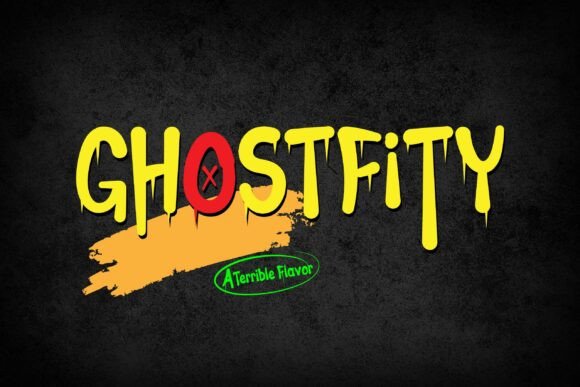
Ghostfity isn't just another spooky font; it's a carefully crafted tool designed to evoke a specific emotional response. Its visual language is built on what designers call "creepy curves" and a "sinister style." Think about the jagged edges of broken glass or the slow, unsettling movement of fog. The letterforms in this typeface mimic that feeling. They aren't perfectly smooth or geometrically precise, and that’s intentional. The slight irregularities, the sharp points, and the heavy, dramatic weight give it a hand-drawn, almost organic quality that feels alive—and not necessarily in a friendly way.
With 96 distinct glyphs and 95 characters, it provides enough versatility for headlines, short phrases, and logos without becoming repetitive. It’s a premium font that understands its role: to be the visual anchor for a dark, mysterious atmosphere. Whether you're designing a logo for a new escape room or creating the title card for an indie horror game, this typeface delivers immediate thematic clarity. It tells your audience exactly what kind of experience they're about to have before they read a single word of copy.
Real-World Applications for Creators and Brands
The true test of any creative font is how it performs in the wild. Ghostfity shines in applications where bold, dramatic typography is the main event. For small business owners in the entertainment or novelty space, it’s a goldmine. Imagine using it for the logo of a haunted attraction. The font itself becomes part of the marketing, promising thrills and chills. On merchandise, like a T-shirt design for a metal band or a Halloween-themed apparel line, it adds instant credibility and aesthetic appeal. It’s not just text; it’s a design element that fans will want to wear.
Content creators and marketers can leverage its power for seasonal campaigns. A social media graphic for a horror movie marathon or a blog header for a true-crime podcast gains immediate visual traction with this typeface. It cuts through the noise of a crowded feed because it’s so visually distinct. For packaging design, particularly for products like craft beers, hot sauces, or novelty candies with a "killer" theme, it communicates the product's personality at a glance. It’s a shortcut to establishing brand identity in niche markets where standing out is everything.
Strategic Font Pairing for Maximum Impact
Using a powerful display font like Ghostfity requires a thoughtful approach to typography. It’s a star player, but it needs a supporting cast. The key to professional presentation is pairing it with a typeface that offers contrast and readability. Since Ghostfity is highly decorative and best suited for headlines or logos, you’ll want to balance it with a clean, legible body text font.
A classic pairing strategy is to combine a dramatic serif or display font with a neutral sans serif. For example, using Ghostfity for a movie poster title and then setting the tagline, director's name, and release date in a simple, modern sans serif like Helvetica or Open Sans creates a clear visual hierarchy. The eye is drawn to the scary, expressive headline, and then can easily scan the supporting information. This approach maintains the eerie vibe without sacrificing the clarity needed for important details. Testing these pairings in your actual layout is crucial; what looks good in a font preview might behave differently in a full design.
Key Considerations for Commercial Projects
Before integrating any new typeface into your workflow, especially for commercial use, a few practical checks are necessary. First, review the licensing. A premium font designed for commercial projects typically comes with a license that outlines how it can be used—on websites, in print, on merchandise, and in digital products. Ensure the license covers your intended applications to avoid legal headaches down the line.
Second, always consider readability in context. While Ghostfity is fantastic for large, impactful headlines, it would be challenging to read in a long paragraph. Its strength lies in short bursts of text where its personality can shine. Think movie titles, logo wordmarks, or poster headlines, not body copy for a website or a brochure. Finally, explore all the included glyphs. Beyond standard letters and numbers, special characters and alternates can add unique flair to a logo or headline, allowing for even more customization in your brand identity or creative asset library.
Choosing the right typeface is a foundational decision in visual communication. It sets the tone, influences perception, and can significantly enhance audience engagement. For projects that live in the shadows of horror, mystery, or gothic themes, a font like Ghostfity isn't just an option—it's a essential design asset that brings a chilling, professional edge to the work.