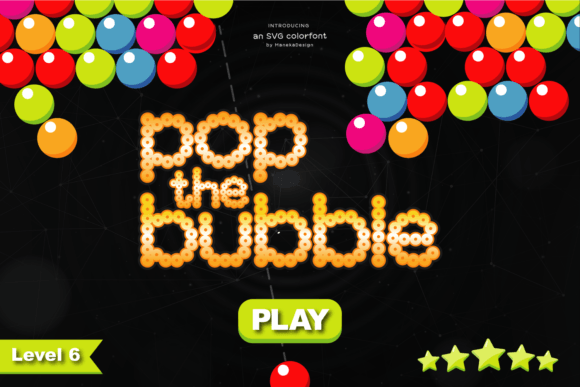
Pop The Bubble: Reviving Retro Playfulness in Modern Design
There is a specific feeling of joy associated with the pixelated graphics and rounded interfaces of 90s arcade cabinets. It is a blend of nostalgia and uncomplicated fun that modern, minimalist design often misses. If you have been searching for a way to inject that distinct energy back into your creative projects, the Pop The Bubble font is a compelling solution. It does not just mimic the past; it revitalizes it. This typeface captures the essence of retro gaming while applying modern craftsmanship to every curve and corner, making it a versatile asset for designers, entrepreneurs, and content creators looking to stand out.
At its core, typography is about personality. A serif font might suggest tradition, while a clean sans-serif implies corporate efficiency. Pop The Bubble, however, speaks the language of entertainment. It is a premium display font that commands attention without shouting. The visual appeal lies in its rounded geometry and thick strokes, reminiscent of bubble letters but refined enough for professional application. Each glyph has been meticulously crafted to ensure that the "playful" aspect does not compromise legibility. Whether you are designing a logo for a startup or laying out a poster for a local event, this font brings a level of polish that separates amateur work from professional graphic design.
Why "Fun" Typography Matters for Brand Identity
In a crowded marketplace, brand recognition is everything. Consumers are bombarded with thousands of visual stimuli daily, and most of it is forgettable. To build a connection with your audience, you need to evoke an emotion. This is where the visual characteristics of a font like Pop The Bubble become a strategic asset.
For small business owners, particularly those in the lifestyle, children’s, or entertainment sectors, the font you choose is the face of your brand. Using a creative font that feels approachable and energetic can immediately lower the barrier between you and your customer. It signals that your brand is friendly, accessible, and perhaps a little less serious than the corporate giants. This is particularly effective for:
- Logo Design: A logo sets the tone for your entire visual identity. Using a bold, bubbly typeface ensures your name is memorable and stands out on a business card or a storefront sign.
- Packaging Design: On a crowded shelf, packaging needs to do the heavy lifting. A playful display font can catch the eye of a shopper scanning for snacks, toys, or cosmetics.
- Merchandise: T-shirts, tote bags, and stickers thrive on bold statements. The retro gaming vibe of this style works exceptionally well for streetwear or niche hobby apparel.
The key to successful branding is consistency. By using a distinct typeface like Pop The Bubble across your social media graphics, website headers, and print materials, you create a cohesive ecosystem. Customers will start to recognize your "voice" visually before they even read the words.
Practical Applications: From Pixels to Print
While the inspiration is retro, the application of this font is thoroughly modern. It is not just for game interfaces or cartoon movies. The versatility of a well-designed display font allows it to cross over into various mediums, provided you understand how to balance its personality with readability.
Digital Interfaces and Web Design
When it comes to web design, user experience is paramount. You generally want to avoid using highly stylized fonts for body copy, as users skim-read long paragraphs and need high legibility. However, headings, sub-headers, and Call-to-Action (CTA) buttons are the perfect playground for a font like Pop The Bubble. A "Buy Now" or "Subscribe" button rendered in a playful, rounded font can increase click-through rates by making the action feel less transactional and more engaging. It adds a micro-interaction of personality to the user journey.
Editorial and Editorial Design
Magazines and blogs often rely on strong typography to break up text and guide the reader's eye. For editorial design, particularly in lifestyle magazines or blog posts about gaming, entertainment, or family travel, this font can serve as a powerful visual anchor. Imagine a magazine cover where the headline "Summer Fun" is rendered in a bubbly, colorful typeface. It immediately sets the content's mood, telling the reader exactly what kind of experience to expect inside.
Invitations and Event Materials
There is a misconception that invitations must be formal scripts. For milestone birthdays, baby showers, or gaming parties, a rigid serif font can feel out of place. Pop The Bubble offers a modern alternative to traditional script fonts. It provides the celebratory feel required for an invitation but with a readability that script fonts often lack. It is particularly effective for digital invitations sent via email or social media, where screen resolution can sometimes blur the delicate loops of a handwritten font.
Mastering Font Pairings and Readability
One of the most common mistakes in design is using a single font for everything, or conversely, using two fonts that clash. Because Pop The Bubble is a high-personality display font, it requires a more neutral partner to maintain a professional presentation.
The rule of contrast is your best friend here. If your heading is bold, rounded, and playful, your body text should be clean, simple, and easy to read. A classic sans-serif like Helvetica, Arial, or a modern geometric sans-serif works beautifully alongside a bubbly display font. The contrast ensures that the design remains dynamic without becoming chaotic.
When testing your font pairings, consider the hierarchy of information. The display font should be reserved for the most important information—the "hook." The supporting font should handle the heavy lifting of the details. This ensures that while your design looks fun and engaging, the message is never lost.
Commercial Licensing and Project Goals
Before incorporating any new design asset into your workflow, it is crucial to understand the licensing. If you are creating a logo for a client, selling merchandise, or using the font in a digital product for sale, you need a commercial license. Most premium fonts come with clear licensing agreements that allow for this usage, but it is always best practice to review the terms to ensure your specific use case is covered.
Furthermore, always align your typography choices with your project goals. Ask yourself: Who is the audience? If you are targeting young adults or the gaming community, a retro-inspired font is a perfect fit. If you are targeting corporate executives, it might be too casual. However, for the vast majority of creative projects—social media posts, YouTube thumbnails, podcast covers, and indie game development—this style of typography adds a layer of authenticity and fun that standard corporate fonts cannot replicate.
Ultimately, the goal of design is communication. Pop The Bubble allows you to communicate joy, creativity, and nostalgia instantly. It is a tool that bridges the gap between the digital past and the creative present, offering a unique way to make your projects pop.