Norse Ancient Alphabet: Where Mysticism Meets Modern Design
Imagine the weight of ancient stone, the whisper of sagas told by firelight, and the sharp, carved lines of a forgotten script. Now, picture that same energy rendered with the crisp precision of a digital interface. This is the duality at the heart of the Norse Ancient Alphabet, a typeface that doesn't just display words—it tells a story. It’s for the designer who needs to evoke a sense of deep history without looking dated, and for the brand that wants to project strength, mystery, and a touch of the arcane. This isn't your average serif or sans serif font; it's a design asset built for projects that demand a powerful, narrative-driven aesthetic.
A Typeface Forged in Two Worlds
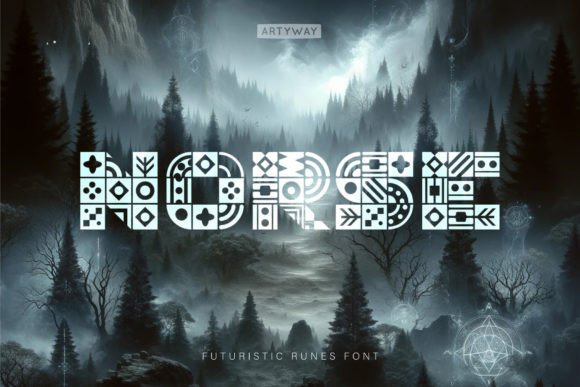
The visual appeal of this Norse font lies in its successful fusion of opposites. Each character is a careful marriage of traditional rune forms and contemporary geometric design. You’ll recognize the angular, runic structure—the kind etched into Viking longship prows and memorial stones—but here, those forms are refined. Sharp angles are balanced with clean curves, and negative space is used with modern intentionality. The result is a premium display font that feels both ancient and futuristic, esoteric and accessible. It avoids the common pitfall of "fantasy fonts" that can look kitschy or illegible. Instead, this typeface offers a sleek, stylized aesthetic that maintains readability while dripping with character.
This unique blend makes it incredibly versatile. The geometric foundation gives it a structured, almost techno-futurist feel, perfect for monograms, gaming interfaces, or tech branding that wants a mythical edge. Meanwhile, the runic roots make it an instant fit for thematic projects in publishing, entertainment, and experiential design. It’s a font that captures imagination, prompting viewers to lean in and decipher its intriguing forms.
Practical Applications: Beyond the Fantasy Novel
While its mystical allure is obvious, the true value of the Norse Ancient Alphabet is revealed in its practical, real-world applications. This is where it transitions from a cool-looking design asset to a strategic tool for visual communication.
For Branding & Identity: A craft brewery specializing in bold IPAs, a cybersecurity firm emphasizing fortified defenses, or a luxury brand with a narrative of enduring craftsmanship—this font can form the core of a memorable logo design. It instantly communicates a brand story of strength, heritage, and sophistication. Paired with a clean sans serif font for body copy, it creates a compelling hierarchy that’s both striking and professional.
For Packaging & Merchandise: On product packaging, especially for items like spirits, artisanal goods, specialty coffee, or outdoor gear, this font elevates the perceived value. It suggests quality and a story behind the product. Think of a label where the product name set in this Norse typeface is the hero, surrounded by minimalist design elements. For merchandise like apparel, posters, or stickers, it creates instantly iconic and desirable graphics.
For Digital & Editorial Design: In the digital realm, it’s a powerhouse for social media graphics that need to stop the scroll. Use it for impactful headlines on Instagram carousels, YouTube thumbnails, or podcast artwork. On a website, it can be used sparingly for key headlines or a hero section to create an unforgettable first impression. In editorial design, such as magazine features on mythology, history, or speculative fiction, it adds authoritative flair to chapter headings or pull quotes.
Strategic Pairings and Readability
Introducing a strong display font like this requires a thoughtful approach to typography. Its power is in its distinctiveness, which means it’s not designed for long paragraphs of body text. The key is to use it strategically as the headline or accent font, and pair it with a highly legible companion.
A classic approach is to pair it with a neutral, modern serif font for body text. This creates a harmonious contrast—the runic font provides the personality, while the serif ensures comfortable reading for longer passages. For a more contemporary or tech-oriented feel, pairing it with a clean geometric sans serif works beautifully. The shared geometric foundation creates a subtle visual link, while the contrast in style maintains clear hierarchy.
Always test your pairings in context. Set a sample headline and a paragraph of body copy at the actual size they’ll be used. Check the contrast in weight and style—your headline should command attention without overwhelming the supporting text. Pay close attention to letter spacing (tracking) and line height (leading) for the body copy font to ensure optimal readability.
From Concept to Commercial Project
When you decide to integrate this Norse font into your workflow, start by reviewing all the included styles and characters. A quality premium font often comes with multiple weights, stylistic alternates, or even ligatures that can add further customization. Explore these options to see how they can refine your design. For instance, an alternate character might work better for a specific letter combination in your logo.
Crucially, understand the commercial licensing that comes with the font. If you’re using it for client work, merchandise for sale, or a business website, you need to ensure the license covers your intended use. This is a non-negotiable step for any professional or creative entrepreneur. Purchasing from a reputable foundry or marketplace guarantees you have the proper rights and often provides access to updates and support.
Ultimately, the Norse Ancient Alphabet is more than just a collection of glyphs. It’s a bridge between epochs, a tool for building worlds, and a secret weapon for designers and brands looking to infuse their work with a profound sense of intrigue and timeless appeal. It’s where the mystique of the ancient world meets the sharp edge of modern design.