Out Line: A Handwritten Font That Feels Like a Friendly Conversation
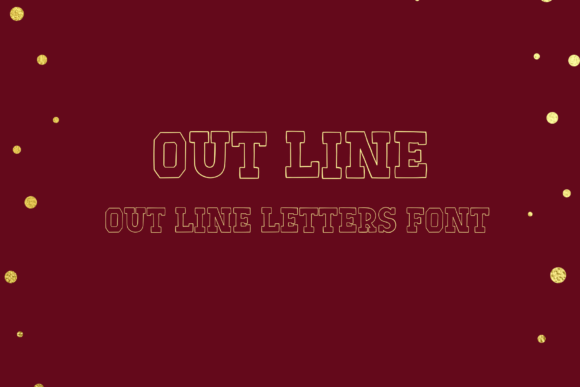
There's something instantly appealing about a font that feels approachable. You know the one—it doesn't try too hard, it doesn't feel cold or corporate, and it makes you lean in rather than step back. Out Line is exactly that kind of typeface. As a sweet and friendly handwritten font, it carries a natural warmth that can soften the edges of any design project. Its unique style isn't just about looking pretty; it's about creating a genuine connection with your audience. Whether you're building a brand from scratch, designing a wedding invitation, or crafting social media posts that stop the scroll, this font offers a versatile foundation that feels both personal and polished.
Why This Handwritten Font Works So Well Across Projects
What makes a typeface like Out Line so effective isn't just its visual charm—it's how adaptable it is. Think about the last time you saw a logo that felt human, or a product label that seemed to speak directly to you. Chances are, it used a handwritten or script-style font. Out Line fits perfectly into that space, offering a balance between casual authenticity and professional clarity. It's not overly quirky or illegible; it has enough structure to be read easily while maintaining that hand-drawn character that makes designs feel bespoke.
For small business owners and entrepreneurs, this kind of font can be a game-changer. Imagine using it for your bakery's packaging, your boutique's signage, or your online store's headers. It immediately communicates care, creativity, and attention to detail—qualities customers associate with quality products and services. Unlike generic sans-serif fonts, Out Line gives your brand a distinct voice without sacrificing readability.
Practical Applications: Where Out Line Truly Shines
Let's get specific. Where does a font like this actually make a difference? The list is surprisingly long, and each application benefits from its friendly, approachable style.
- Branding & Logo Design: Your logo is often the first interaction someone has with your brand. Using Out Line here can set a welcoming tone, especially for businesses in creative industries, wellness, food, or lifestyle sectors. It pairs beautifully with a clean sans-serif for a balanced brand identity system.
- Packaging Design: On product labels, boxes, or bags, this font adds a personal touch. It works well for artisanal goods, organic products, or any item where storytelling and authenticity matter.
- Social Media Graphics: Instagram stories, Facebook posts, Pinterest pins—these platforms thrive on personality. Out Line helps your quotes, announcements, and calls-to-action feel more relatable and engaging.
- Websites & Blogs: While not ideal for long body text, it's perfect for headlines, pull quotes, or accent text. It can guide the reader's eye and break up visual monotony in a layout.
- Print Materials: Think business cards, brochures, flyers, and posters. For events like markets, workshops, or community gatherings, this font adds a friendly, inviting vibe.
- Invitations & Stationery: Wedding invites, party announcements, thank-you cards—anywhere you want to convey warmth and thoughtfulness. Its handwritten style feels personal without being messy.
- Merchandise & Apparel: Tote bags, mugs, t-shirts—merchandise often relies on typography to make a statement. Out Line can deliver a cool, approachable aesthetic that resonates with a broad audience.
- Digital Products & Marketing Assets: E-books, worksheets, email headers, lead magnets. Using a consistent, friendly font across these assets reinforces brand recognition and makes your content feel cohesive.
Pairing Fonts and Maintaining Readability
One of the most common questions designers and creators have is about font pairing. How do you combine a handwritten font like Out Line with other typefaces without creating visual chaos? The key is contrast and hierarchy. Out Line works best as a display or accent font—something used for headlines, titles, or short bursts of text. Pair it with a neutral, highly readable serif or sans-serif font for body copy. For example, a clean sans-serif like Montserrat or Open Sans can provide the perfect counterbalance, ensuring your overall design remains professional and easy to read.
Readability is non-negotiable, especially in digital contexts. While Out Line is legible at larger sizes, it's wise to avoid using it for small body text or lengthy paragraphs. Test it at the size you intend to use it in your design. Print a sample if it's for a physical product. View it on different screens if it's for web or social media. This practical step saves headaches later and ensures your audience can actually absorb your message.
Licensing and Making It Work for Commercial Projects
If you're planning to use Out Line for client work or commercial products, licensing is something you'll want to get right from the start. Most premium fonts come with clear licensing terms—whether it's for personal use, a single commercial project, or an extended license for multiple products or merchandise. Always review the license details before purchasing. It's a small but crucial step that protects you legally and ensures you're using the font as intended. For entrepreneurs selling products with the font, an extended or commercial license is typically required. This upfront investment is part of building a professional, trustworthy brand.
Ultimately, Out Line is more than just a pretty typeface. It's a design asset that can help you tell your story more effectively, connect with your audience on a human level, and build a visual identity that feels authentic. Its versatility means you can use it across multiple touchpoints—from your website to your packaging to your Instagram feed—creating a consistent, recognizable look. In a world saturated with generic typography, choosing a font with personality like this one can make all the difference. The only limit, as they say, is your imagination. So why not give it a try and see how it transforms your next project?