Jumper Game: A Brush Font with Bold, Modern Energy
Sometimes a design project calls for a typeface that feels alive—something with movement, personality, and a touch of artistic flair. Jumper Game fits that description perfectly. It’s a modern brush font that balances elegance with expressive energy, making it a versatile asset for creators who want their typography to make a statement without overwhelming the visual composition. Whether you’re designing a movie poster, crafting social media graphics, or developing branding materials, this font offers a distinctive voice that adapts to a variety of creative contexts.
A Typeface That Balances Style and Function
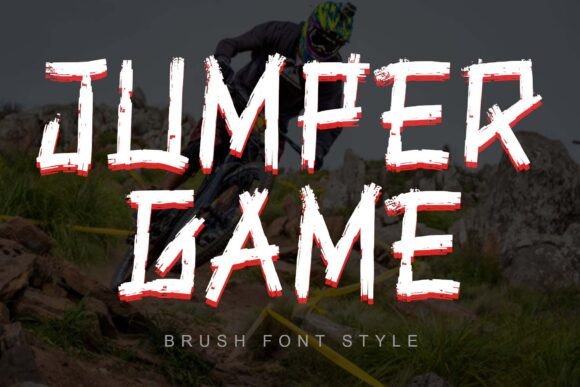
At first glance, Jumper Game stands out because of its fluid, hand-lettered aesthetic. The brush strokes are clean yet organic, giving each character a sense of authenticity and craftsmanship. Unlike some script or handwritten fonts that sacrifice legibility for style, Jumper Game maintains clear letterforms even at smaller sizes. This makes it practical for both headline use and shorter text blocks where readability matters. The font includes uppercase and lowercase letters, numerals, punctuation, and multilingual support, so it’s equipped for global projects and diverse language requirements.
What makes it particularly useful for designers is its ability to convey emotion without feeling overly casual. It strikes a balance between playful and professional, which is a rare quality in display fonts. You could use it for a music festival poster and it would feel energetic and youthful; alternatively, it could work for a boutique product label and feel refined and intentional. This adaptability comes from the thoughtful construction of each glyph—the brush texture is present but not distracting, and the spacing between characters is well-considered for both digital and print applications.
Where This Font Truly Shines
Think about the projects where typography needs to carry personality. Movie titles and book covers are obvious choices—Jumper Game has the dramatic flair to command attention on a shelf or screen. But its usefulness extends far beyond entertainment. Consider how it could elevate a set of wedding invitations, giving them a handcrafted feel that feels personal yet polished. Or imagine it on packaging for a specialty food product, where the brush style evokes artisanal quality and care.
For digital creators, the font works beautifully in social media graphics. Its bold presence ensures that text remains impactful even when viewed on small screens. Instagram posts, YouTube thumbnails, and Pinterest pins can all benefit from a typeface that stands out in a crowded feed. On websites, it can be used for hero sections, call-to-action buttons, or blog post titles to inject personality into an otherwise minimal layout. The key is using it strategically—pairing it with a clean sans serif for body text, for example, to maintain balance and readability.
Pairing and Practical Considerations
One of the most common questions designers have about brush fonts is how to pair them with other typefaces. Jumper Game works well alongside simple, geometric sans serif fonts like Montserrat or Open Sans. The contrast between the expressive brush strokes and a neutral companion creates visual hierarchy without clashing. For projects that require a more traditional feel, pairing it with a classic serif like Garamond can add sophistication while still letting the brush font take center stage in headlines.
When using Jumper Game, pay attention to letter spacing and line height. Because brush fonts often have varying stroke widths, tight spacing can make text feel cramped. Adding a bit of extra tracking (letter-spacing) can improve legibility, especially for longer words or phrases. Similarly, generous line height ensures that multi-line text remains easy to read. It’s also worth testing the font at different sizes to see how it performs—while it’s designed for display use, some applications might require adjustments to weight or scale to achieve the desired effect.
Another practical tip: explore the full character set before finalizing your design. Many premium fonts include alternate characters, ligatures, or stylistic sets that can add uniqueness to your typography. Jumper Game’s inclusion of numerals and punctuation means you can use it for pricing information, dates, or contact details without switching typefaces, maintaining visual consistency across all elements of a layout.
From Branding to Merchandise
For small business owners and entrepreneurs, choosing the right typeface is a critical part of building a brand identity. Jumper Game can serve as a primary logo font for brands that want to convey creativity, warmth, or approachability. A coffee shop, a boutique clothing line, or a handmade jewelry business could use it to craft a logo that feels authentic and memorable. Beyond the logo, the font can extend to business cards, thank-you notes, and packaging inserts, creating a cohesive visual language that customers recognize.
Merchandise is another area where this font excels. T-shirts, tote bags, mugs, and stickers often rely on typography to communicate a message or aesthetic. Jumper Game’s brush style lends itself well to designs that feel handmade or artistic, which can be especially appealing for brands that emphasize craftsmanship or individuality. Because it includes multilingual support, it’s also suitable for international merchandise lines where text might need to appear in multiple languages.
For event-based projects—like concert posters, Halloween party invitations, or Easter promotions—the font’s seasonal versatility is a significant advantage. Its energy suits festive contexts, while its elegance ensures it doesn’t look cheap or overly themed. A designer could use it for a spring sale banner and then adapt it for a fall festival poster simply by changing the color palette and accompanying graphics, all while maintaining typographic consistency.
Making the Most of Your Investment
When selecting a font for commercial use, licensing is always worth reviewing. Ensure that the font license covers your intended applications, whether that’s digital products, print materials, or merchandise. Most premium fonts come with clear terms, but it’s good practice to double-check before launching a project. Additionally, consider the font’s long-term versatility. A typeface like Jumper Game, which works across multiple contexts, offers better value than a highly specialized font that might only suit one type of project.
Finally, don’t underestimate the importance of testing. Before committing to a font for a major branding initiative, create mockups that show how it looks in real-world applications. See how it reproduces in print versus on screen, and check its performance across different devices and browsers if it’s being used for web design. A font that looks perfect in a design tool might behave differently in production, so taking the time to test ensures a professional final result.
Jumper Game is more than just a decorative typeface—it’s a practical tool for designers and creators who want to add personality and polish to their work. Its blend of artistic flair and functional design makes it a valuable addition to any font library, capable of enhancing everything from personal projects to commercial branding efforts. By understanding its strengths and applying it thoughtfully, you can create designs that feel both authentic and visually compelling.