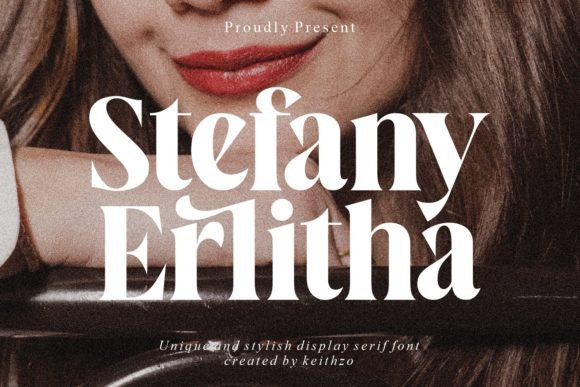
Stefany Erlitha: A Display Font for Bold, Memorable Design
There’s a moment in every design project where you know the visuals are close, but not quite there. The layout is solid, the colors are right, but something feels generic. Often, that missing piece is typography with genuine personality. Finding a font that carries weight, style, and versatility can transform a good design into one that truly connects. This is where a thoughtfully crafted display typeface enters the conversation, offering a distinct voice for your brand or creative work.
A Typeface with Character and Clarity
Stefany Erlitha is a premium font designed to make a statement. Its letterforms balance modern flair with a timeless sensibility, creating a look that feels both fresh and enduring. Think of it as a serif font with a contemporary edge—its strokes have variation and its terminals have a subtle sharpness that adds sophistication without feeling stiff. This isn’t a font that fades into the background; it’s designed to be the focal point, the element that draws the eye and establishes a mood. The included swashes and alternates, easily accessible thanks to PUA encoding, allow for even more customization, letting you add flourishes or stylistic touches that make a headline or logo truly unique.
The real value of a creative font like this lies in its application. It’s not about using it everywhere, but using it strategically where impact matters most. Imagine a coffee shop logo where the name feels hand-lettered yet polished, or a boutique product label where the brand name has an elegant, artisanal quality. That’s the kind of presence Stefany Erlitha brings. It helps bridge the gap between a standard, safe choice and a design that has a clear, memorable identity.
Where This Font Shines: Practical Applications
Knowing where to deploy a strong display font is key to effective design. Its strength is in headlines, titles, and short bursts of text where you want to inject personality and command attention. Here’s how it can serve various projects:
- Brand Identity & Logo Design: The foundation of a visual identity. A font like this can become the cornerstone of a logo for a fashion brand, a creative agency, a upscale restaurant, or a lifestyle blog. It helps build instant brand recognition.
- Packaging Design: On shelf or in an online store, packaging needs to tell a story quickly. This typeface can elevate the front of a box, a bottle label, or a shopping bag, conveying quality and style before a customer even reads the description.
- Social Media Graphics & Marketing Assets: In a crowded feed, a distinctive font stops the scroll. Use it for quote graphics, promotional banners, or YouTube thumbnails to create a consistent and professional look that reinforces your brand voice.
- Editorial Layouts & Websites: While body text needs high readability, a striking display font for article titles, chapter headings, or section dividers in magazines, blogs, or e-books can dramatically improve visual hierarchy and reader engagement.
- Invitations, Posters & Merchandise: For event invitations, art prints, or merchandise like tote bags and t-shirts, a font with flair adds that special, custom-made feel that people are willing to pay for.
The goal is always alignment. A playful, handwritten font might suit a children’s party planner, while Stefany Erlitha’s more structured elegance could be perfect for a wedding invitation suite or a luxury skincare line. It’s about matching the font’s personality to the project’s goals and the audience’s expectations.
Smart Typography: Pairing, Readability, and Licensing
Introducing a strong display typeface into your toolkit requires a bit of strategy. First, consider font pairing. A bold, stylistic font like this rarely works well for long paragraphs. Its perfect partner is often a clean, simple sans-serif or serif font for body copy. Think of pairing Stefany Erlitha with a neutral workhorse like Open Sans, Lato, or a classic serif like Garamond for body text. This creates a beautiful contrast that is both visually interesting and easy to read.
Always test your pairings in context. View your design at the size it will be used—on a mobile screen, on a printed poster, or as a small logo icon. Does the display font remain legible? Does the contrast between the headline and body text create a clear, pleasing hierarchy? Sometimes a slightly less ornate version of the font might work better for smaller applications.
Finally, a crucial but often overlooked aspect: licensing. When you invest in a commercial font, you are typically purchasing a license that permits specific uses. For a font intended for professional branding and merchandise, ensure the license covers your intended projects, especially if you plan to create physical products for sale or use it in client work. Most premium font foundries offer clear licensing tiers, so review this before finalizing your purchase to avoid future complications.
Choosing the right typeface is a creative decision with practical business implications. A font with the distinct character and versatility of Stefany Erlitha can become a valuable asset in your design library, helping you craft visuals that are not only beautiful but also strategically effective in communicating your brand’s unique story.