Simple Display: The Handwritten Font for Modern Minimalist Design
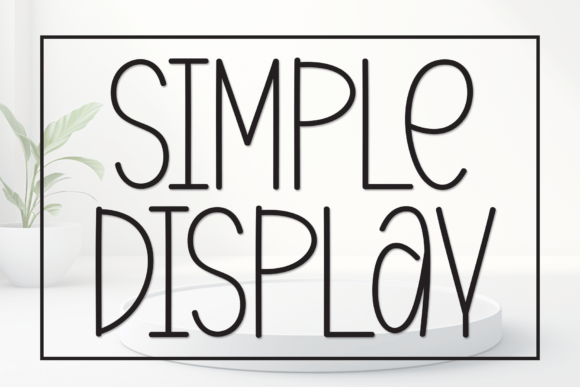
There’s a particular kind of quiet confidence that defines the best modern design. It’s not loud or cluttered; it’s intentional, clean, and feels effortlessly human. Capturing that balance in a typeface is a challenge, but it’s exactly where Simple Display excels. This tall, thin handwritten font offers a beautiful solution for designers and creatives who need a typeface that communicates elegance and approachability without saying a word. Its elongated forms and monoline strokes create a sense of organized clarity, making it a versatile tool for projects that demand a touch of organic sophistication.
The Anatomy of Understated Elegance
What makes a font feel both contemporary and timeless? For Simple Display, it’s the marriage of structure and softness. The characters are narrow, allowing them to fit neatly into vertical layouts, tight headers, and minimalist compositions where space is at a premium. This isn’t a script font with dramatic flourishes; it’s a premium font built for legibility and impact in modern contexts. The consistent stroke weight gives it a clean, digital-ready appearance, while the subtle, hand-crafted irregularities prevent it from feeling sterile. It’s this “organized yet organic” quality that makes it such a powerful asset for brand identity work, especially for brands that want to project a high-end, thoughtful aesthetic.
Think of it as the typographic equivalent of a well-tailored linen shirt—structured enough for professional settings but relaxed enough to feel personal. This makes it an ideal choice for a range of creative applications, from a boutique’s logo to the interior design studio’s website header. It provides that professional, hand-crafted touch that feels both airy and grounded, a rare combination in the world of modern typography.
Where Simple Display Truly Shines: Practical Applications
A font’s value is measured in its utility. Simple Display isn’t just a pretty face; it’s a workhorse for specific design challenges. Its narrow width and clean lines make it exceptionally functional where other display fonts might fail.
- Branding & Logo Design: For logos that need to convey minimalist luxury or boutique appeal, this typeface is a perfect candidate. It works beautifully for skincare brands, artisanal goods, and lifestyle companies where a clean, personal touch is paramount. Pair it with a simple sans serif font for body text to create a cohesive and professional brand identity.
- Packaging Design: On product labels and boxes, especially for cosmetics, wellness products, or gourmet foods, Simple Display adds a layer of sophistication without overwhelming the design. Its legibility at smaller sizes ensures critical information remains clear.
- Digital Spaces: In web design, it’s perfect for hero sections, navigation menus, and headline text that needs to draw the eye without being aggressive. For social media graphics, it can make quotes, announcements, and promotional text stand out with a distinctive, crafted feel. It’s also a fantastic choice for digital planners and blog headers, adding personality to a clean layout.
- Print & Editorial: Use it for editorial design in magazine headers, pull quotes, or chapter titles. For print materials like business cards, menus, or posters, it ensures key information is presented with style. Think wedding invitations or event signage that needs to feel special and considered.
Pairing and Practicality: Making It Work for You
Choosing the right font is only half the battle; knowing how to use it effectively is what elevates a design. With Simple Display, a few practical considerations will help you maximize its impact.
Font Pairing is Key: Because it has such a strong personality, this font works best when paired with a more neutral companion. A clean geometric sans serif font or a classic serif font for body copy creates a beautiful contrast. The handwritten font draws attention for headlines, while the supporting font ensures long-form text remains easy to read. Always test your pairings in context—what looks good in a font specimen may behave differently in a full layout.
Readability Considerations: While Simple Display is highly legible for a handwritten font, its elongated forms are best suited for shorter text blocks: titles, headers, logos, and call-to-action phrases. Avoid using it for large paragraphs of body copy. Its strength is in strategic emphasis.
Check the Styles: Many premium fonts come with stylistic alternates or multiple weights. Review what’s included in the Simple Display package. Exploring these options can help you fine-tune the font’s personality for different applications, from a more casual alternate to a more formal version.
Licensing for Commercial Use: If you’re using the font for a client project, a commercial product, or merchandise, always ensure you have the correct commercial font license. This protects you legally and supports the type designers who create these valuable design assets.
Beyond Aesthetics: The Strategic Role of Typography
Ultimately, a font like Simple Display is more than a decorative choice; it’s a strategic component of visual communication. Consistent use of a distinctive typeface across all touchpoints—from your website to your packaging to your social media—builds immediate brand recognition. It creates a visual shorthand for your brand’s values: minimalism, quality, and attention to detail.
For small business owners and entrepreneurs, investing in a high-quality creative font can significantly improve your professional presentation. It signals to your audience that you care about every aspect of your brand experience. This thoughtful approach doesn’t go unnoticed; it fosters trust and can directly contribute to greater audience engagement. Whether you’re designing a one-off poster or building a complete brand identity system, choosing typography with intention is a decision that pays dividends in clarity, recognition, and perceived value.