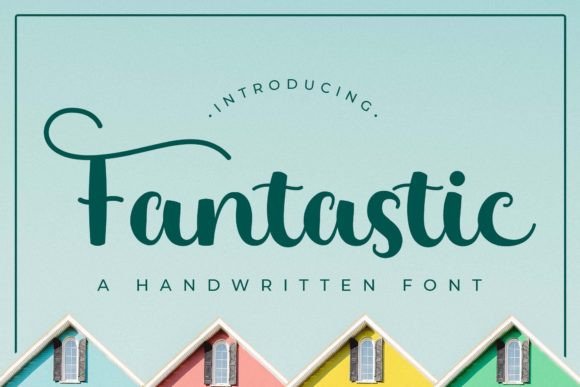
Fantastic: A Handwritten Font with Authentic Charm
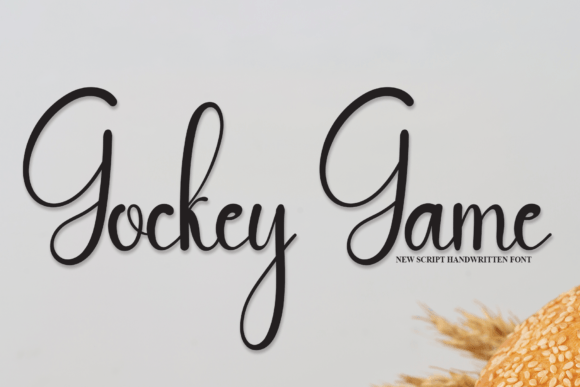
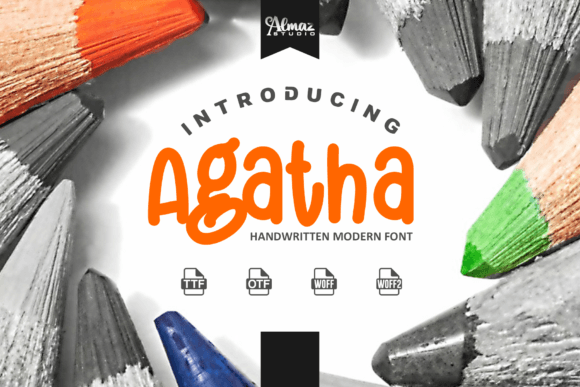
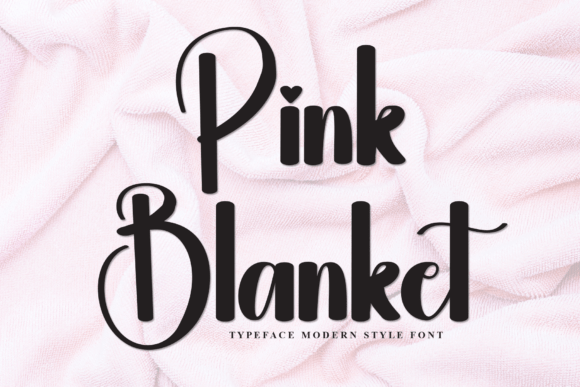
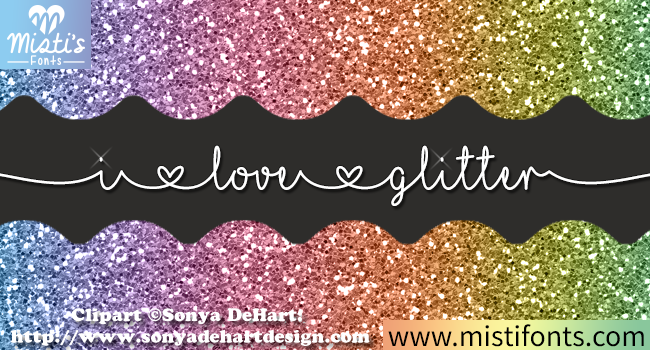
There's something undeniably appealing about a font that feels like it was just scribbled down with a favorite pen. It carries a human touch, a sense of spontaneity and warmth that perfectly polished digital typefaces sometimes lack. This is the space where Fantastic operates, offering a classic and simple handwritten style that feels both free and intentionally crafted. It’s not trying to be overly intricate or impossibly neat; instead, it embraces a natural, random quality that can make your designs feel more approachable and genuine.
For anyone building a brand or working on a creative project, the choice of typography is a fundamental decision. It sets the tone before a single word is read. A font like Fantastic, with its casual elegance, is a versatile tool for projects aiming to connect on a personal level. It speaks to authenticity, creativity, and a relaxed confidence, making it a compelling option for a wide range of applications.
Where a Handwritten Typeface Shines
The strength of a font like this lies in its ability to inject personality. It’s a display font at heart, meaning it’s designed to catch the eye in headlines, logos, and short bursts of text. Think about the logo for a local coffee shop, the title on a handcrafted soap label, or the header on a blog about sustainable living. In these contexts, a sterile, corporate sans serif font might feel cold, while a traditional serif font could be too formal. Fantastic fills that gap with warmth and character.
Its applications extend far beyond a simple logo. Consider using it for:
- Brand Identity & Packaging: On product packaging, especially for artisan goods, cosmetics, or gourmet foods, a handwritten font can suggest craftsmanship and care. It can be used for brand names on labels, taglines on boxes, or thank-you notes inside packaging.
- Social Media & Digital Content: In the fast-paced world of social media graphics, a relatable font can stop the scroll. Fantastic works well for Instagram quote posts, YouTube video thumbnails, Pinterest pins, and Facebook ad headlines. It helps your content feel less like an advertisement and more like a conversation.
- Web Design & Blogging: While not ideal for long body paragraphs, it can be a powerful accent in web design. Use it for site headers, pull quotes, call-to-action buttons, or sidebar titles to break the monotony of standard web fonts. For bloggers, it adds a personal signature to your site's visual identity.
- Print & Editorial: In editorial design, such as magazine pull quotes or chapter headings in a cookbook, it adds a human element. It’s also perfect for creating custom invitations, greeting cards, or event posters where a personal touch is essential.
- Merchandise & Apparel: T-shirts, tote bags, and mugs often feature short, impactful phrases. A creative font like Fantastic can make that text feel like a one-of-a-kind design rather than a generic print.
Making It Work: Practical Tips for Implementation
Choosing a great font is only the first step. Using it effectively is what makes the difference between a design that looks amateur and one that feels professionally curated. Here’s how to get the most out of a typeface like Fantastic.
Font Pairing is Key: A handwritten font rarely works well on its own for all text. The magic happens when you pair it with a more neutral, readable counterpart. A common and effective strategy is to use Fantastic for your headlines or key phrases, and pair it with a clean sans serif font like Open Sans, Lato, or Montserrat for body text. This creates a beautiful visual hierarchy—the handwritten font draws attention, while the sans serif ensures clarity and readability for longer content. Avoid pairing it with another script or highly decorative font, as they will compete for attention.
Prioritize Readability: While style is important, your message must be clear. Use Fantastic at larger sizes where its charming details can be appreciated. At very small sizes, the connecting strokes and irregular spacing can become difficult to read, especially on screen. Test it at the intended size on different devices to ensure your audience can easily decipher the words.
Understand the Licensing: If you're using this font for a client project, merchandise for sale, or a commercial website, you must ensure you have the correct commercial font license. Many fonts available online are free for personal use only. Always check the license agreement before incorporating a font into any commercial design assets or brand identity system. This is a crucial step in professional practice.
Explore the Included Styles: A quality premium font often comes with more than one style. Check if Fantastic includes alternate characters, ligatures, or stylistic sets. These features allow you to customize the look further, creating a more unique and tailored feel for your project. Swapping out a few key letters can make your headline stand out even more.
Connecting with Your Audience Through Typography
Ultimately, typography is a tool for communication. The font you choose sends a subliminal message about your project's personality. A handwritten font like Fantastic communicates approachability, creativity, and a human-centric focus. It’s less about corporate authority and more about building a connection.
For a small business owner, it can help differentiate your brand from larger, faceless competitors. For a content creator, it can make your personal brand feel more consistent and recognizable across platforms. For a designer, it’s another valuable tool in your kit for achieving a specific mood or aesthetic, whether you're working on packaging design, logo design, or a full brand identity system.
When used thoughtfully, respecting its strengths and limitations, a typeface like this becomes more than just letters on a page. It becomes part of your visual language, helping to tell your story in a way that feels authentic and engaging. The goal isn't just to be seen, but to be remembered—and a touch of fantastic, well-chosen typography can make all the difference.